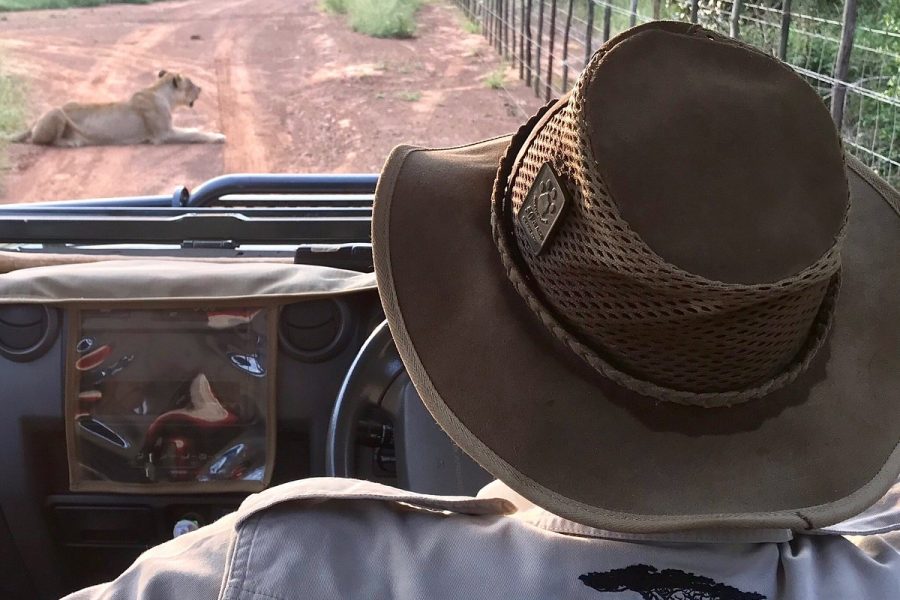
Eswatini has a spectrum of formal and informal conservation areas that protect the nation's rich biological diversity. These areas comprise about 5% of the country's land area. Eswatini has over 820 species of vertebrates and over 2400 species of plants, with many endemic species. This diversity suggests Eswatini is globally important for biodiversity conservation.[62] Land degradation and conversion to other land uses are the major threats to biodiversity, including plantation agriculture (legal and illegal), bush-clearing, the spread of alien and invasive plants, and unsustainable resource harvesting; major land fragmentation is evident.[62]
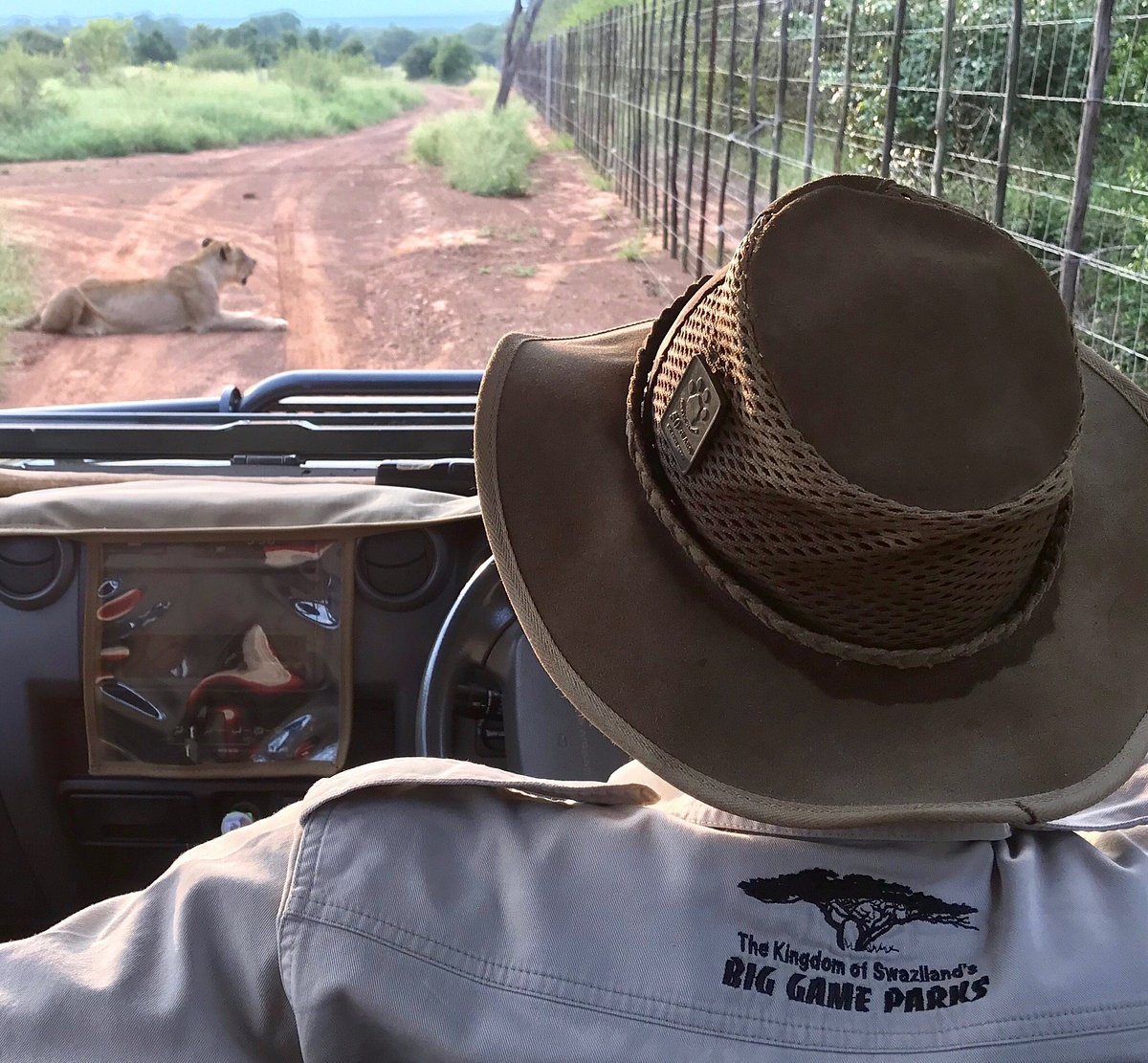
Eswatini is a signatory to the Convention on Biological Diversity, the Convention on International Trade in Endangered Species (CITES), and the United National Framework Convention on Climate Change. There are three main government ministries responsible for national biodiversity management: the Eswatini National Trust Commission, the Eswatini Environment Authority, and the Ministry of Agriculture and Cooperatives. In addition, Big Game Parks, a private entity, is tasked with the management of the Game Act, which controls wildlife and CITES.[62]
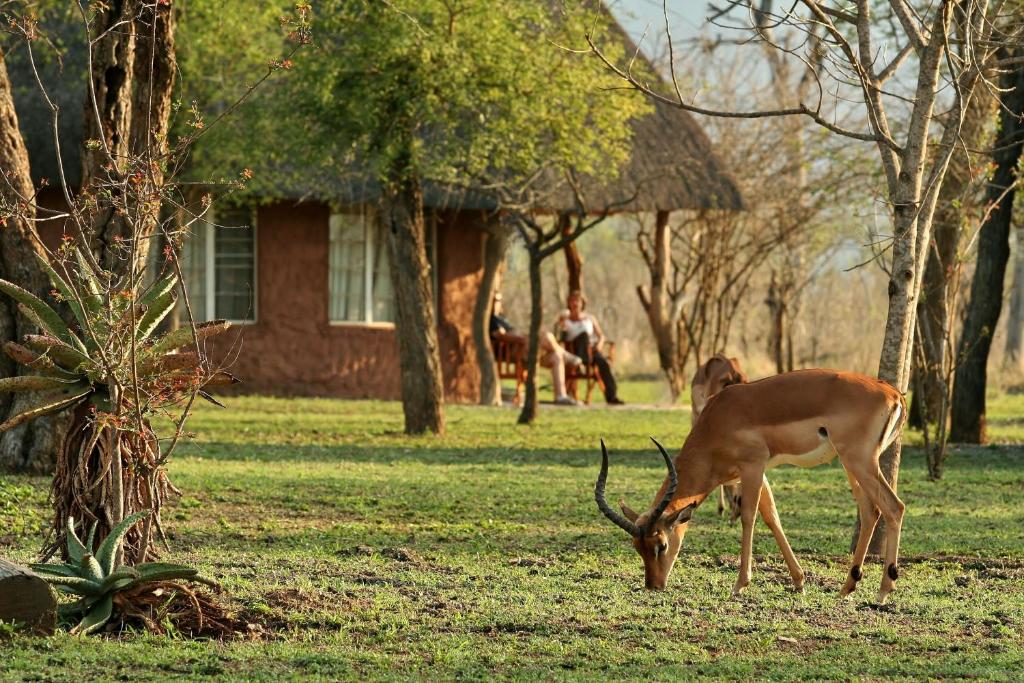
There are 6 formal and more than 10 informal protected areas in the country. The formally gazetted areas include: Malolotja Nature Reserve, Mantenga Nature Reserve, Mlawula Nature Reserve, Mlilwane Wildlife Sanctuary, and Mkhaya Game Reserve, and Hlane Royal National Park. In addition to these, there are many private and community nature reserves, as well as some with mixed governance structures. These include: Dombeya Game Reserve, Mbuluzi Game Reserve, Shewula Nature Reserve, Phophonyane Falls Nature Reserve, Royal Jozini, IYSIS (Inyoni Yami), Ngwempisi Wilderness, Sibebe and others. There are other entities that practice secondary or tertiary conservation, as well as two conservancies: the Mhlosinga Conservancy and the Lubombo Conservancy. Others include: the Natural History Society of Eswatini and the Eswatini Game Ranchers Association.
From 2014 to 2021, Eswatini participated in the "Strengthening the National Protected Areas System" (SNPAS) project. This project attempted to strengthen conservation outcomes and the national footprint of biodiversity conservation across the country.[63] In an effort to broaden the spectrum of areas eligible for conservation support (which practice bona-fide conservation management), the United Nations Development Programme (UNDP) established a new category for informal, or non-gazetted, conservation areas in 2018. These are now called OECMs, or Other Effective Conservation Measures. The SNPAS Project adopted this OECM terminology and began certifying informal conservation areas in Eswatini in 2021.[64]
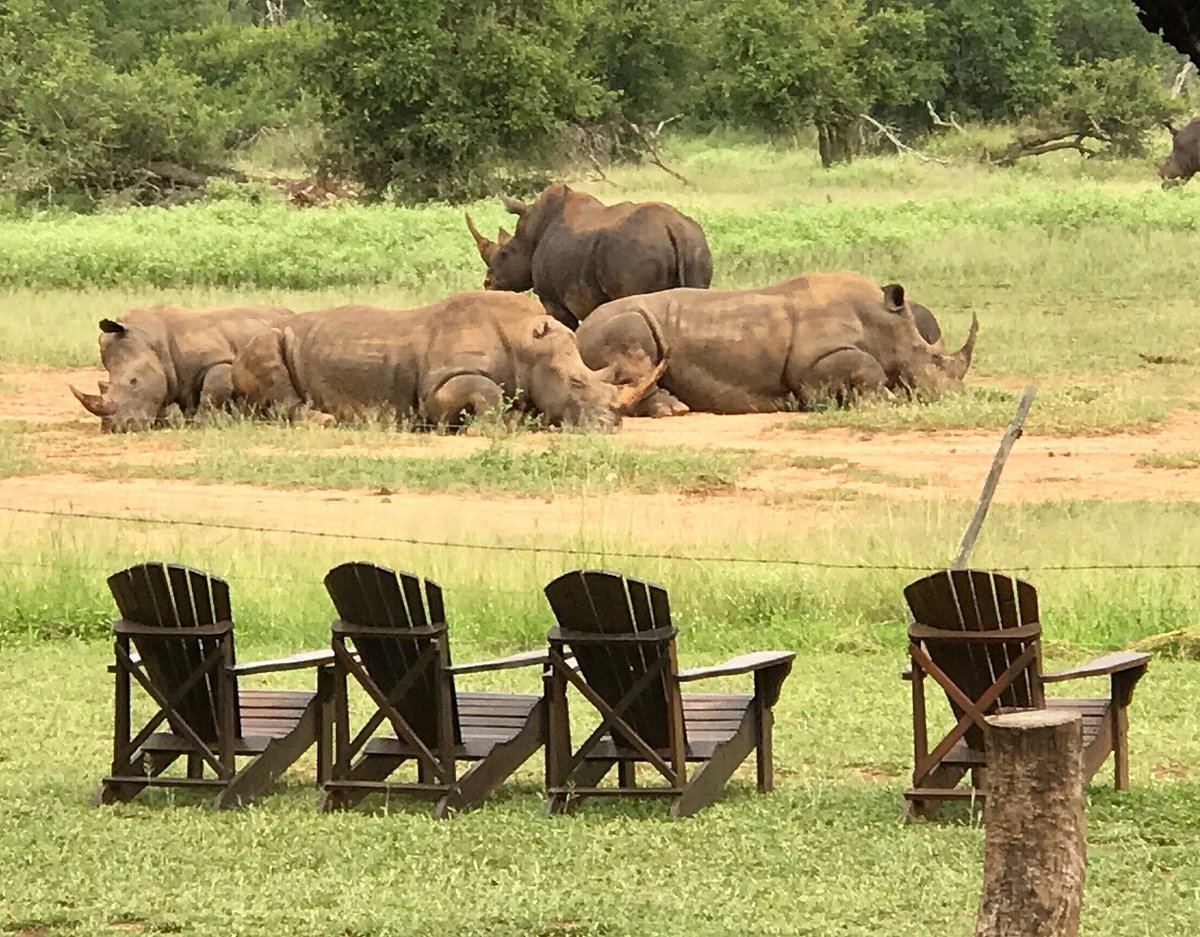
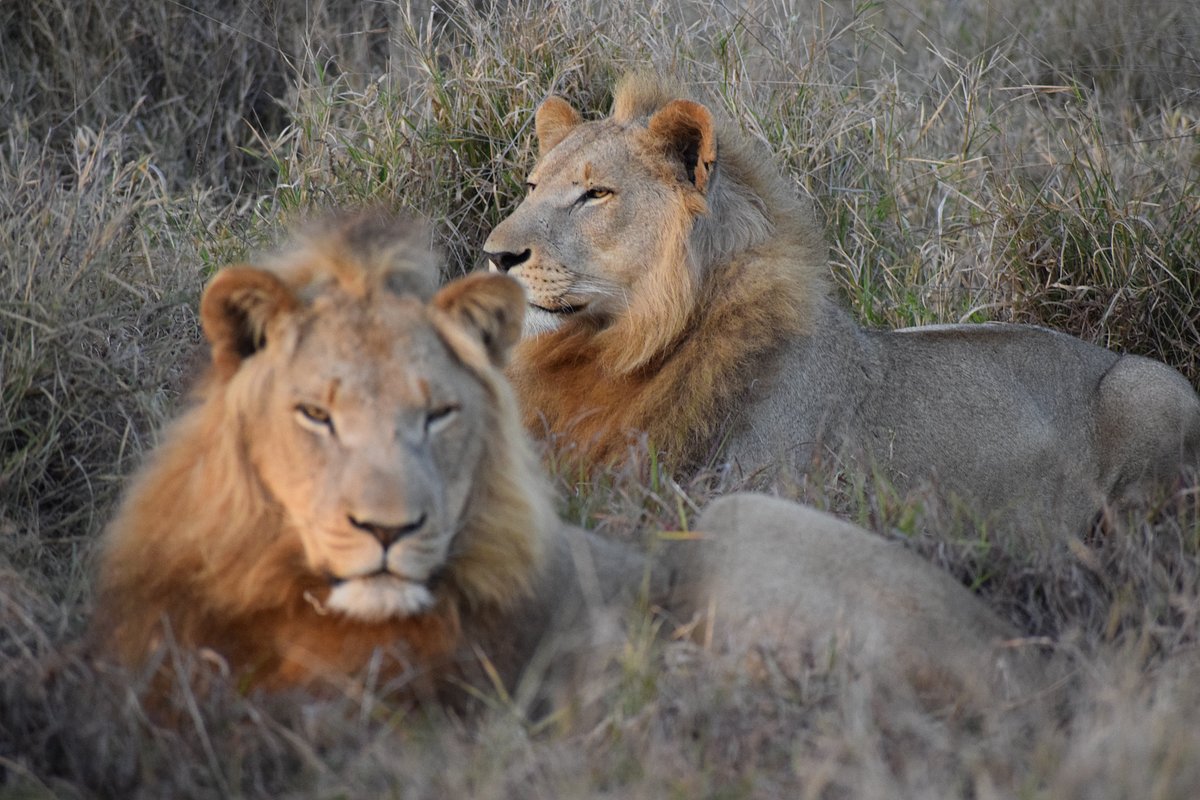
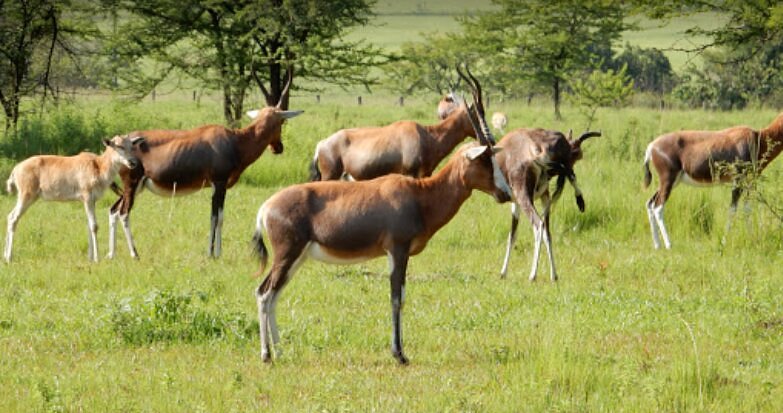
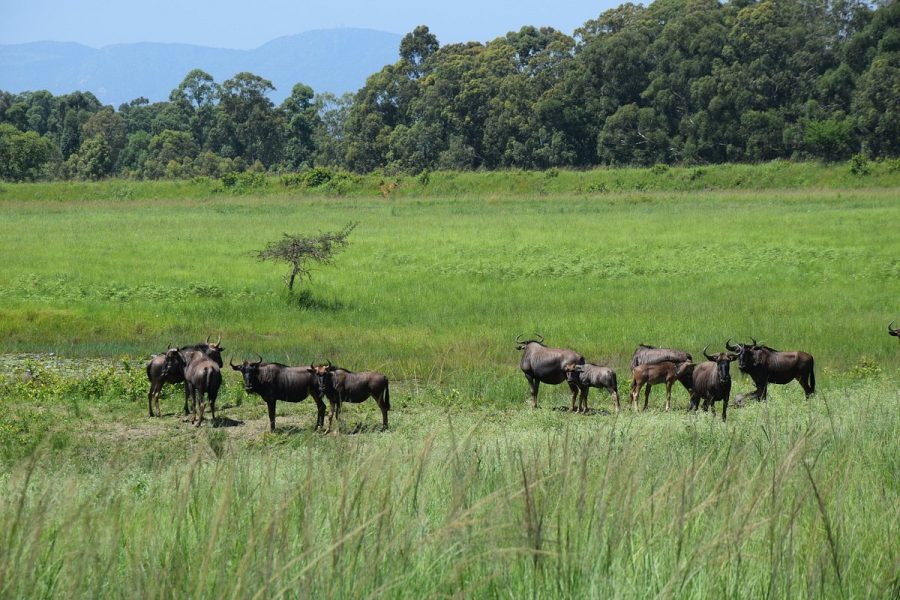
There are known to be 507 bird species in Eswatini, including 11 globally threatened species and four introduced species, and 107 mammal species native to Eswatini, including the critically endangered South-central black rhinoceros and seven other endangered or vulnerable species.[65] Eswatini is rich in bird life, including white-backed vultures, white-headed, lappet-faced and Cape vultures, raptors such as martial eagles, bateleurs, and long-crested eagles, and the southernmost nesting site of the marabou stork